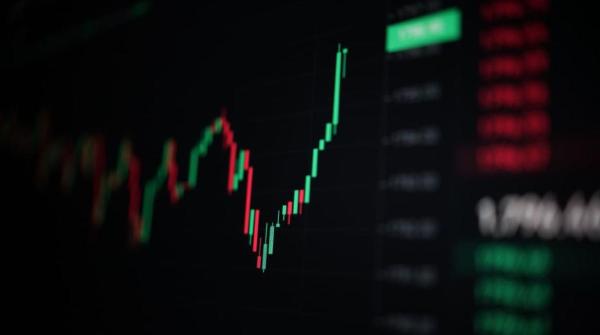
Bitcoin is trading in a tight range as analyst Daan highlights a critical Fibonacci support level around $84,000. With the Fed meeting approaching, market participants are watching closely for potential price movements.
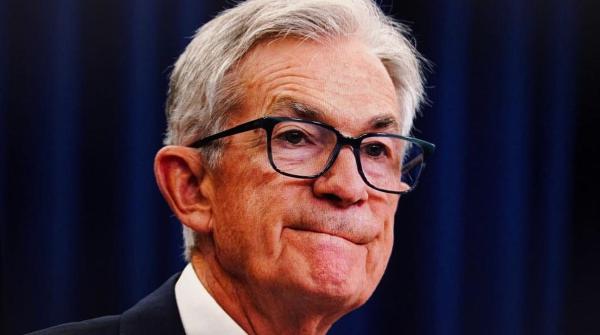
With an 87% chance of a Federal Reserve rate cut this Wednesday, the crypto market is on edge. Traders are weighing the potential for a year-end rally against the possibility that the move is already priced in, while also looking ahead to a new era of leadership at the central bank.
Several on-chain indicators suggest a significant price movement for Bitcoin is imminent. Key metrics include rising exchange inflows, increased whale transfers to exchanges, and a surge in stablecoin deposits, all pointing to potential volatility ahead.
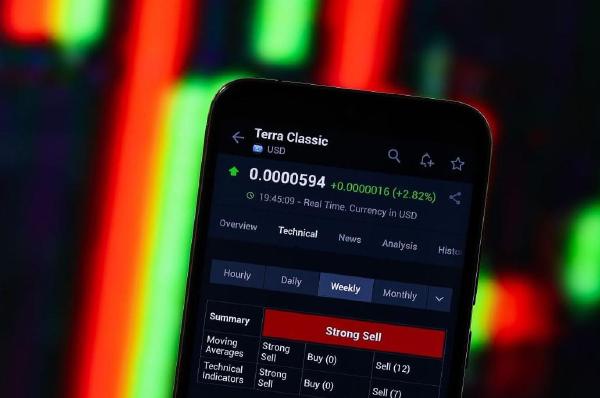
Terra Classic (LUNC) has seen a massive 160% price surge in a week, driven by an upcoming court verdict for its founder Do Kwon and a spike in token burns. Despite its notorious 2022 collapse, renewed community enthusiasm suggests a potential comeback, though significant risks remain.
A Bitcoin whale moved 2,000 BTC worth €155 million after 13 years of inactivity, sparking market speculation. The coins originated from Casascius Coins, physical bitcoins created by Mike Caldwell in 2011.
The Dutch government is expanding the rent subsidy (huurtoeslag) by abolishing the maximum rent limit and adjusting rules for young people. This will make an additional 170,000 renters eligible for financial support starting in the new year.
The memecoin Moo Deng experienced a sudden 173% price surge followed by a crash, with experts pointing to market manipulation. The coin, based on a viral baby hippo, saw high trading volume on Bitvavo.
European authorities have dismantled a massive crypto fraud network that laundered over €700 million using fake trading platforms and sophisticated marketing, including deepfakes. Coordinated operations across multiple countries led to arrests and the seizure of assets.
The Bank of Japan is preparing to raise rates to 0.75%, the highest since 1995, ending decades of ultra-loose policy. This could impact risk assets like crypto by reducing the yen carry trade, which has been a source of cheap funding.