Photo: Mark Van Scyoc & Volodymyr_Shtun (Shutterstock)
U.S. regulators have made a move that traders have been hoping for for years: bitcoin, ethereum, and the stablecoin USDC can now be used as collateral for derivatives trading.
In simple terms, this means traders will no longer need to convert their crypto holdings into cash to meet their margin requirements. For many firms, this makes it easier and more cost-effective to continue trading in the U.S.
New Pilot Program Allows Bitcoin and Ethereum as Collateral #
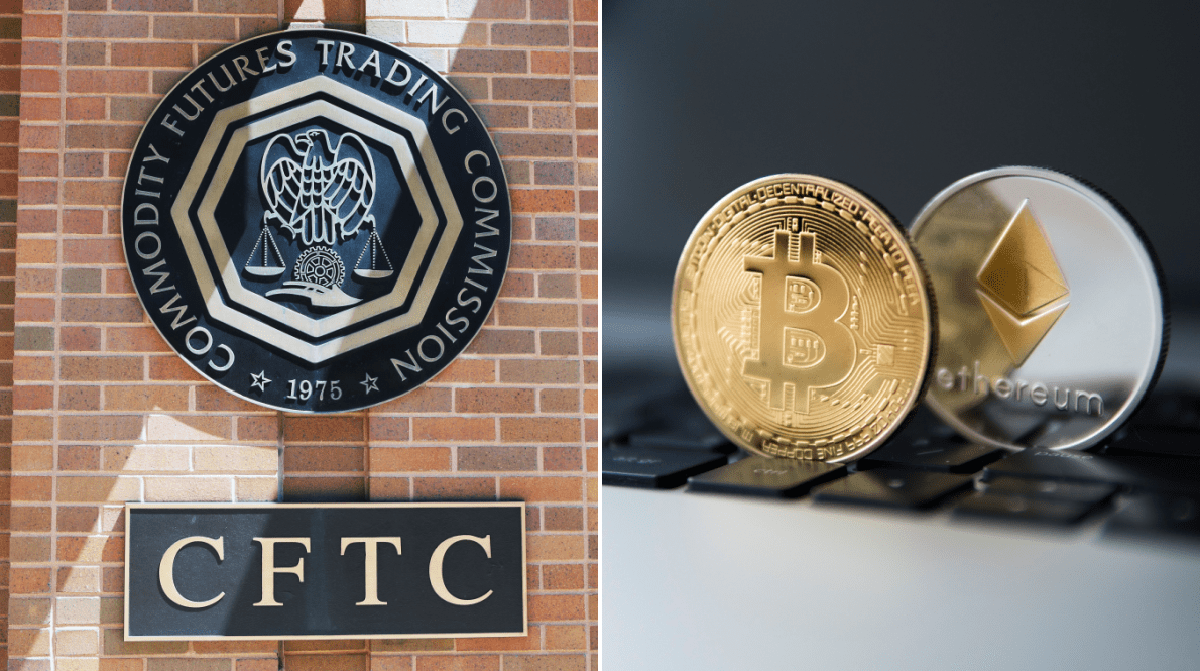
In a statement, CFTC Chair Caroline D. Pham announced the launch of a new pilot program.
During this three-month trial period, Futures Commission Merchants (FCMs) are permitted to accept bitcoin, ethereum, and USDC as collateral. This can only be done under strict conditions.
They must report weekly, immediately report any issues, and always apply the most stringent risk percentage if multiple clearing organizations are involved.
Clearing organizations are entities that ensure trades are settled and that both parties to a transaction fulfill their obligations.
The decision comes alongside the repeal of older rules that previously complicated the use of digital assets in segregated accounts. Additionally, the regulator is working on new rules that would allow digital versions of assets like government bonds and money market funds to be used as collateral.
The direction CFTC Chair Caroline Pham is taking is clear.
“Under my leadership this year, the CFTC has paved the way for America’s Golden Age of innovation and crypto,” said Pham.
Institutional Capital Could Shift to the U.S. #
The timing of the program coincides with the new GENIUS Act, which introduces clear rules for stablecoins in the U.S. By mandating that stablecoins are fully backed and that their issuers adhere to fixed rules, policymakers aim to prevent these digital assets from remaining unclear or risky.
For large financial institutions, this is precisely the clarity that was often lacking in the American crypto sector.
With the new rules, it becomes much easier for institutional traders to remain active in the U.S. Until now, many had shifted to foreign exchanges because they were not allowed to use their crypto positions as collateral.
That is now changing. Traders can hold their positions while meeting all collateral requirements, allowing them to use their capital much more efficiently.
Companies offering these services will need to invest in better systems, continuous valuation of their collateral, and well-trained teams.
But if the pilot runs smoothly, it could mark the beginning of much broader adoption of crypto as collateral in the U.S. financial sector.