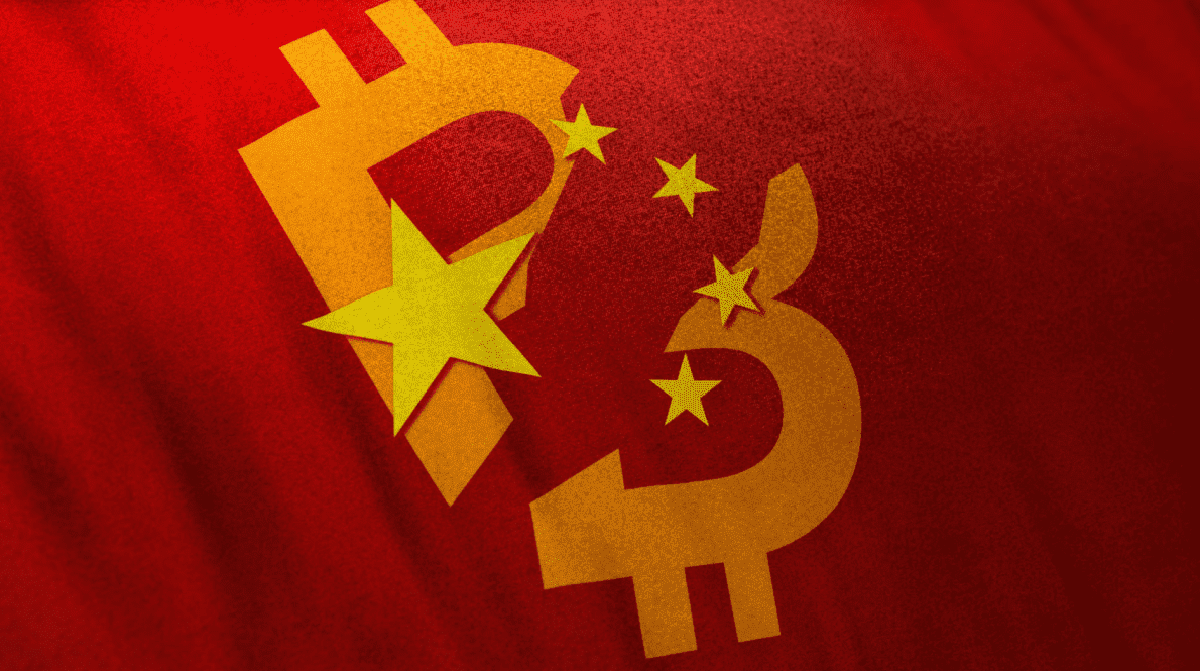
Foto: remotevfx.com/Shutterstock
Trouble is brewing again in China. While the rest of the world works on crypto regulations and digital innovation, Beijing is once again choosing the hardline approach it took in 2021.
The People’s Bank of China has officially confirmed that all crypto-related activities remain completely banned and that additional measures are coming, as the authorities claim “speculation has resurfaced.”
Meanwhile, the price of bitcoin is reacting to the news from China.
China Cracks Down on Crypto Market #
During a meeting with twelve government agencies, the People’s Bank of China declared that it will take stricter action against everything related to crypto. The agencies intend to cooperate more closely to track down users, share data, and tighten supervision.
With this, China is signaling that any form of crypto activity—whether it’s trading, services, or promotion—is still illegal. The central bank reiterated that tokens have no legal status.
“Virtual currencies do not have the same status as fiat currency, are not legal tender, and may not be used in economic circulation,” the bank stated.
Stablecoins, in particular, are heavily criticized. These are cryptocurrencies whose value is pegged to another currency or asset, usually the dollar. According to China, they do not comply with rules regarding customer identification and anti-money laundering, and are used for fraud and unauthorized capital outflows abroad.
Earlier this year, China scrapped seminars on stablecoins and removed research reports from the internet.
Stablecoins are currently a major topic globally. In the US, the GENIUS Act was passed earlier this year to support the adoption of private stablecoins. Europe is much more cautious about these coins, introducing the strict MiCA legislation and working on a digital euro as a counterbalance. China is choosing the hardest line and banning stablecoins completely.
Bitcoin Drops Following News from China #
Despite the ban, trading in China continues underground. Recent figures from Reuters show that the country still accounts for about 14 percent of the global bitcoin hashrate, a significant footprint despite the 2021 ban.
This raises questions about the effectiveness of the measures, but it does not change the government’s hardline stance.
The warning from Beijing is not without consequences. While the market is already tense due to macroeconomic uncertainty, bitcoin is falling back towards the $86,000 mark.
The harsh tone from China contributes to that unrest: China has historically had a lot of influence on market sentiment, and statements from a central bank or government from such a large economy can therefore have an impact on the broader market.