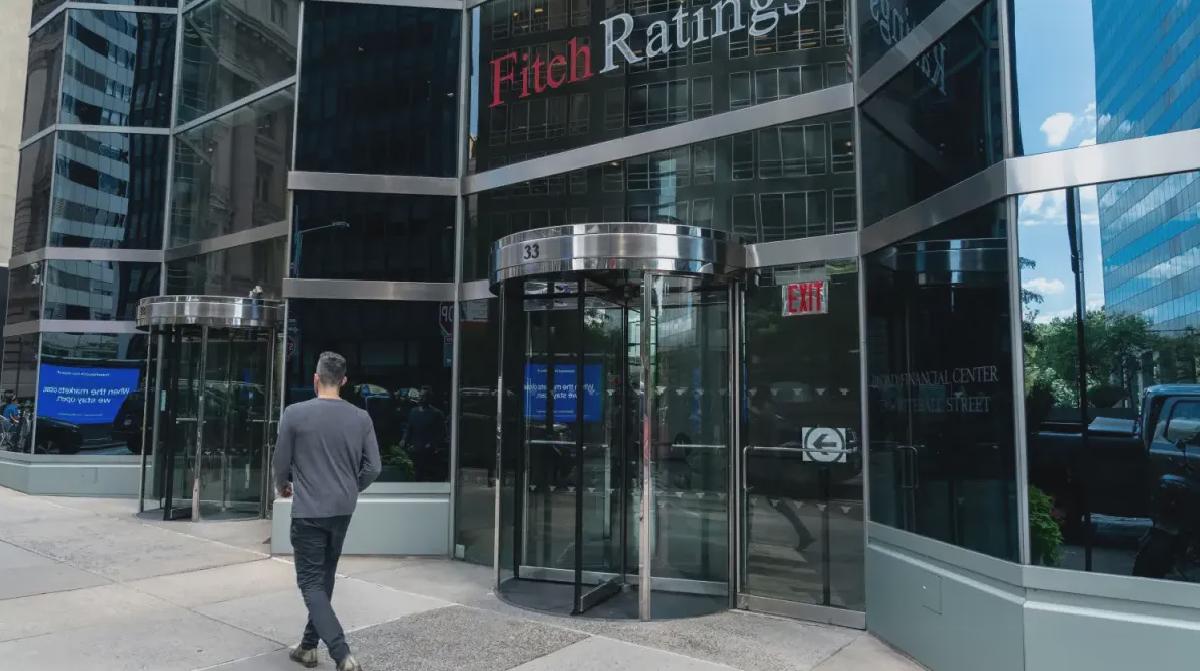

Photo: lev radin/Shutterstock
The U.S. banking sector has been increasingly moving towards crypto in recent years, with stablecoin projects and various blockchain pilots to speed up payments. However, according to credit rating agency Fitch, this trend has a significant downside.
In a new report, the financial player warns that banks heavily relying on crypto may face lower ratings in the future. This could lead to increased reputational damage and higher funding costs.
Pros and Cons of Crypto for Banks #
Many U.S. banks are now active in the crypto world. For example, JPMorgan Chase is building tokenized versions of dollars for internal payments, while Citigroup is experimenting with blockchain for international transactions. Wells Fargo and Bank of America are testing smart contract applications.
For banks, blockchain is interesting because it makes processes cheaper and more efficient. It also offers opportunities to generate revenue and save money in new ways. Banks can reduce costs because blockchain processes transactions faster and cheaper.
Lower costs mean higher margins. Additionally, this technology allows banks to offer new services, such as tokenization and secure custody of cryptocurrencies. This helps attract new customers and generate extra income, improving profitability and competitiveness.
However, Fitch also highlights the risks of these benefits. Crypto can cause reputational damage when projects fail. The credit rating agency writes: “We may negatively revise the business model or risk profile of U.S. banks with concentrated digital asset exposure.”
Moreover, the volatility of digital assets sometimes leads to significant losses. The industry remains vulnerable to hacking attempts, improper storage, and uncertainty over fund ownership, which regulators dislike.
Stablecoins as a Potential Risk to the Financial System #
Beyond specific bank risks, Fitch points to a broader threat: the explosive growth of stablecoins. These tokens are often backed by dollars or government bonds and now play a key role in trading platforms and DeFi applications.
According to Fitch, the increasing use of stablecoins in finance poses risks. If these tokens start influencing the U.S. bond market, the financial system becomes more sensitive to shocks. Large shifts in stablecoins, such as panic selling, can create extra buying or selling pressure on government bonds, potentially causing faster fluctuations in interest rates and markets.
The concerns are shared by competitor Moody’s. In a report from September, Moody’s wrote that a massive adoption wave of stablecoins could lead to parts of the economy operating outside the traditional dollar system, putting pressure towards “cryptoization” — where financial transactions shift to digital tokens instead of national currencies.