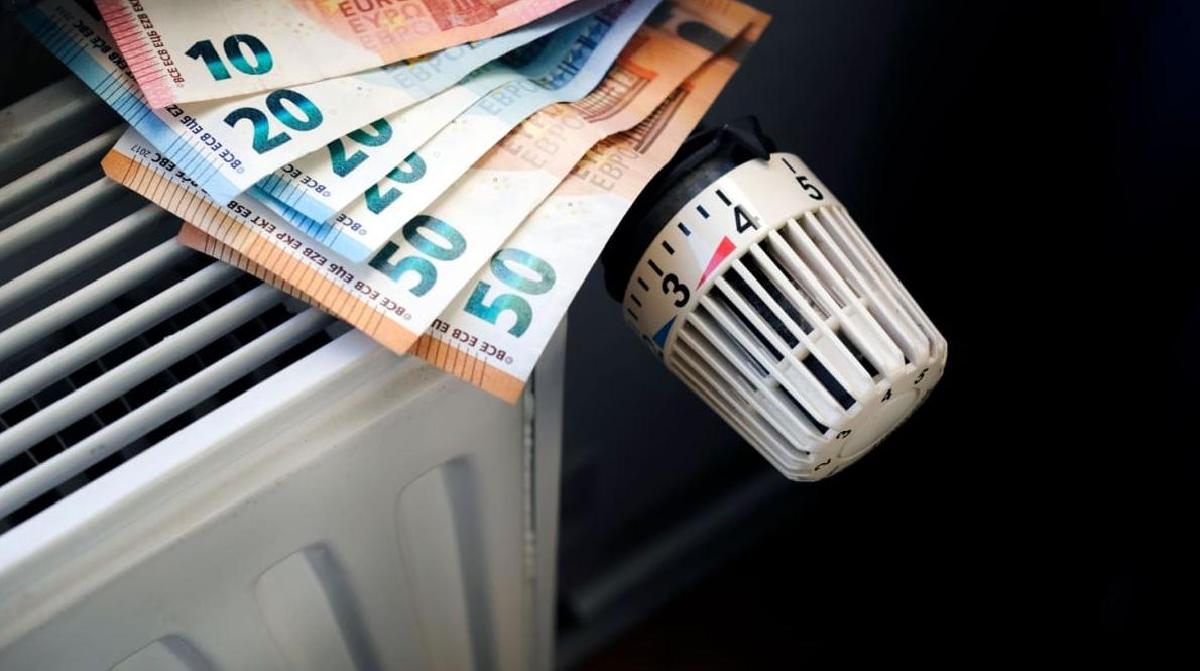
The Netherlands Authority for Consumers and Markets (ACM) has established the maximum tariffs for district heating for 2026. The adjustment leads to a shift from variable to fixed costs, with varying consequences for annual bills. Households with low energy consumption will feel the change most acutely.
In Short #
- Fixed costs for district heating will rise in 2026, while the price per consumed gigajoule will decrease.
- Households with average consumption will pay a few euros less per year under the new maximum rates.
- Frugal households or residents of small homes could see their annual bill increase by up to €53.
Impact on Your Wallet #
The maximum variable tariff for heat will fall to €40.97 per gigajoule (GJ) in 2026. For comparison, the maximum tariff in 2025 is €43.79 per GJ.
At the same time, the maximum fixed costs that heat suppliers may charge will increase. This amount will rise from €760.77 in 2025 to €827.91 per year in 2026, an increase of over €67.
An average household consuming 25 GJ per year will be €3.34 cheaper under the new maximum tariff. For them, the savings on variable costs are slightly greater than the increase in fixed charges. This aligns with conclusions from recent ING research on household energy consumption.
For households with low consumption, such as those in well-insulated homes or small apartments, the change is unfavorable. A household using 5 GJ could see its annual bill increase by as much as €53.04. The higher fixed costs outweigh the benefit of the lower price per GJ.
Regulation of the Heat Market #
The ACM sets maximum tariffs annually because households using district heating cannot switch to another supplier. This mechanism protects consumers from unreasonably high prices. Currently, the price of heat is linked to the costs an average household would incur with its own natural gas boiler.
This link, known as the ’not-more-than-else principle,’ led to significantly higher heat tariffs during the energy crisis, causing discontent among consumers.
New Heat Act in the Senate #
A new heat law, the Collective Heat Act bill, is currently awaiting approval in the Senate, according to the ACM. If this law is passed, heat tariffs will be decoupled from gas prices starting January 1, 2027, and will instead be based on the actual costs of heat companies.
The tariffs for 2026 are still based on the current method. Heat suppliers such as Eneco, Vattenfall, and Ennatuurlijk may charge lower rates than the maximum but may never exceed it.