Photo: alfernec / Shutterstock.com
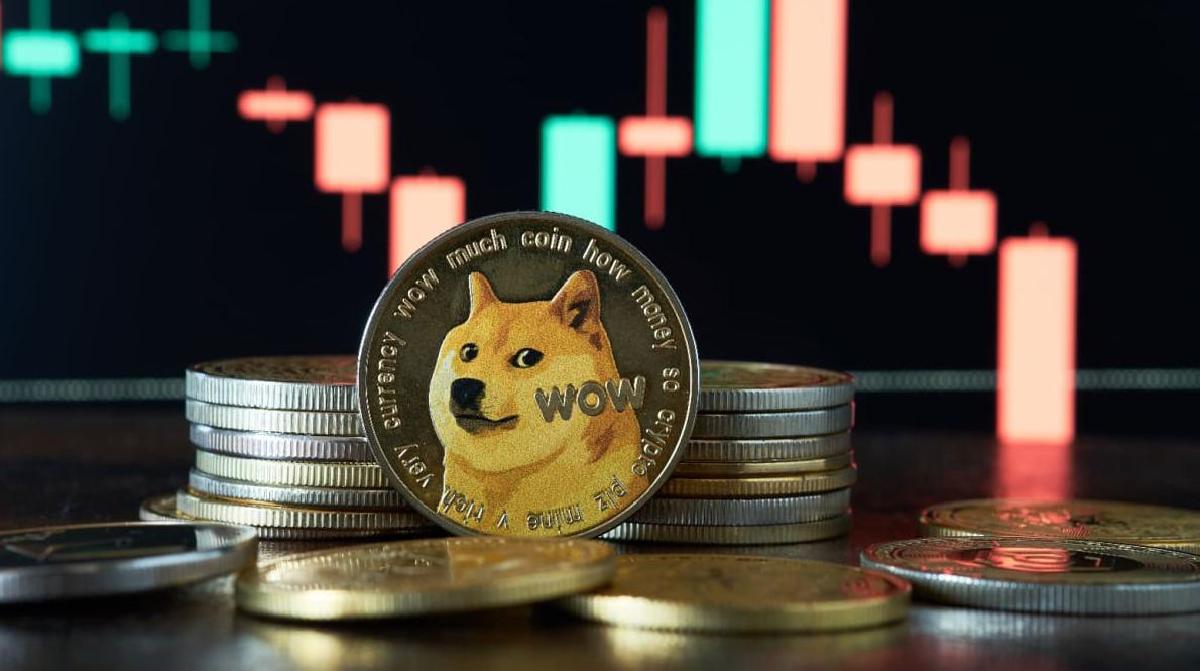
Interest in Dogecoin exchange-traded funds (ETFs) appears to be fading quickly. While the memecoin initially captured attention through enthusiasm and hype, investors are now refocusing on the established market leaders. Bitcoin and Ethereum remain the clear favorites for both traders and large institutions. Recent figures even show that these two coins are further solidifying their dominant position, especially as the United States takes steps to broaden their use within the financial market.
Dogecoin ETFs Rapidly Lose Momentum #
Since the launch of the first Dogecoin ETFs, trading activity has been declining remarkably fast. According to SoSoValue, only €122,000 was traded on Monday, the lowest level since the launch. In late November, this volume was still well above €2.6 million. The total trading volume, which measures the amount of money flowing through an ETF, thus shows that interest is waning significantly. Notably, Dogecoin itself remains actively traded on regular crypto exchanges. In the past 24 hours, over €950 million worth of Dogecoin changed hands, while its market cap stands at €19 billion. This suggests that traders prefer to buy Dogecoin directly rather than through an ETF. The launch of Grayscale’s Dogecoin ETF also disappointed. Analysts had predicted at least €10 million in volume on the first day, but the fund only managed €1.2 million. This cooling interest makes it clear that Dogecoin does not have the same institutional appeal as the largest cryptocurrencies.
Bitcoin and Ethereum Remain the Core #
While altcoin ETFs struggle to attract capital, Bitcoin and Ethereum remain by far the most popular. On December 8, Bitcoin ETFs recorded €2.7 billion in trading volume, while Ethereum noted over €1.1 billion. The dominance of Bitcoin and Ethereum was recently reinforced by a decision from the U.S. regulator CFTC. Traders can now use Bitcoin, Ethereum, and the stablecoin USDC as collateral for derivatives trading. This means they no longer have to convert their crypto into dollars, which reduces costs and risks. This development gives the two largest cryptocurrencies an even stronger position within the traditional financial sector. As Dogecoin ETFs lose their shine, it becomes increasingly clear that Bitcoin and Ethereum form the core of the regulated crypto market.