Foto: EBASCOL/Shutterstock
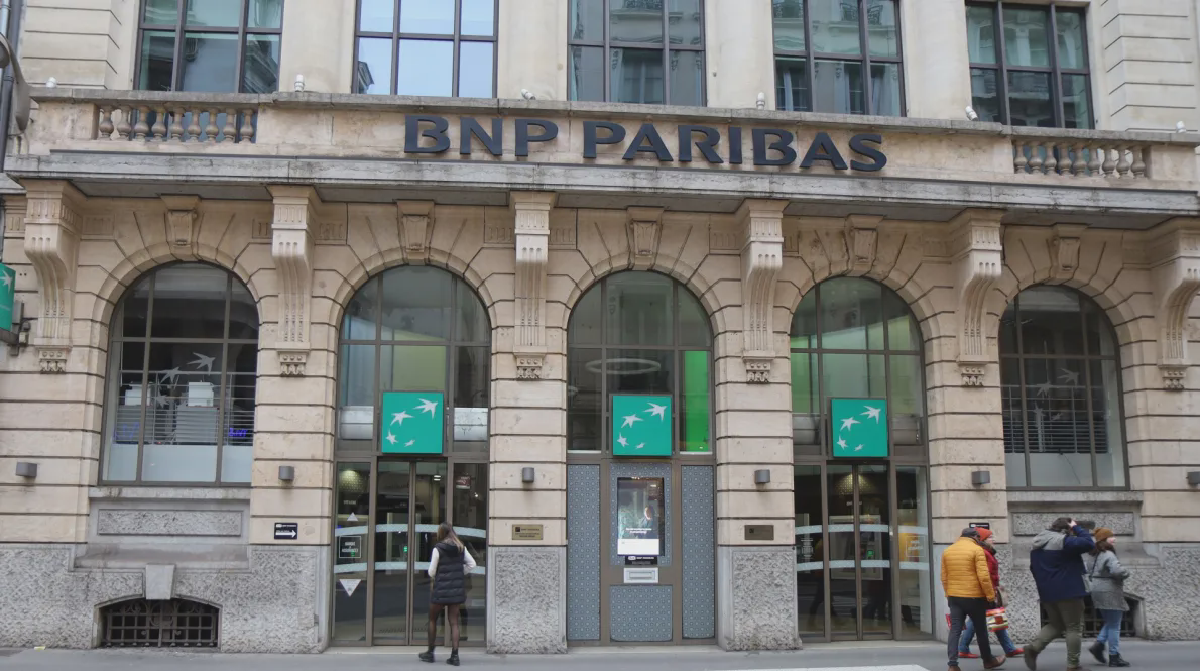
BNP Paribas is joining nine other European banks to launch a euro-backed stablecoin. The French bank is the latest to join the consortium, which will be registered in the Netherlands.
Could this become Europe’s answer to US-based stablecoins?
Consortium of 10 European Banks #
Stablecoins are cryptocurrencies designed to maintain a stable value, typically pegged to fiat currencies like the euro or dollar. These digital currencies combine the capabilities of crypto with the stability of traditional money.
They’re gaining significant traction, especially in the United States, where the government has recently begun encouraging dollar-backed stablecoins. Europe is also seeing growing stablecoin initiatives.
European banks including Banca Sella, CaixaBank, Danske Bank, DekaBank, ING, KBC, Raiffeisen Bank International, SEB, and UniCredit recently partnered to launch a euro-based stablecoin.
Spanish bank BNP Paribas has now joined this collaboration, according to an announcement on their website.
Countering the Rise of US Stablecoins #
BNP Paribas stated it wants to explore the technology and capabilities to better respond to ‘changing customer needs and usage patterns’.
According to the announcement, the partnership will seek new applications and experiment with ‘secure, reliable, and fully regulated transactions’ via blockchains.
The new euro stablecoin is also intended to challenge the dominance of US dollar stablecoins. A press release explains:
“A euro stablecoin is not just about convenience—it’s about monetary autonomy in the digital age.”
Dutch Registration and MiCA License #
The new euro stablecoin from the banking consortium will be registered and issued in the Netherlands. A new company called Qivalis has been established in Amsterdam for this purpose. Qivalis has already applied for a MiCA license from De Nederlandsche Bank (DNB).
This license is part of the European Markets in Crypto-Assets (MiCA) legislation that has been in effect since last year. With this license, the euro stablecoin will comply with European legal requirements for crypto companies.
It can then be used in all 27 countries of the European Economic Area (EEA). The announcement states:
“This initiative will provide a European alternative to the dollar-based stablecoin market and contribute to Europe’s strategic autonomy in payments.”
According to the schedule, Qivalis’s new euro stablecoin is set to launch in the second half of 2026.