Photo: Europol
A gigantic web of crypto fraud that managed to stay under the radar for years has finally been brought to a halt after a series of European raids led by Europol. In multiple countries, police units simultaneously took action against a network that lured victims with fake investment platforms and then laundered hundreds of millions of euros through a maze of exchanges. Europol calls it one of the largest crypto fraud cases ever tackled on European soil.
How the Network Lured Victims with ‘Crypto Profits’ #
What began as an investigation into one suspicious platform slowly grew into a case that occupied entire departments of justice. The fraudulent operation turned out to be a large network of dozens of fake platforms.
Through slick advertisements, high returns were promised. Once someone took the bait, a call center would follow up. Employees were trained to pressure victims and promised them personal guidance.
According to Europol, victims were “repeatedly put under pressure after supposedly seeing substantial profits appear in their account,” while those profits were in fact completely fabricated.
The network also operated internationally: as soon as crypto from a victim came in, it was spread across various blockchains and exchanges, making the trail difficult to follow. Investigators discovered that more than €700 million was laundered in this way.
However, the fraud did not stop at the fake platforms themselves. Just as important was the marketing machine behind it: companies that brought in new victims through online ads, sometimes with deepfake videos of politicians or celebrities.
International Cooperation Under Europol #
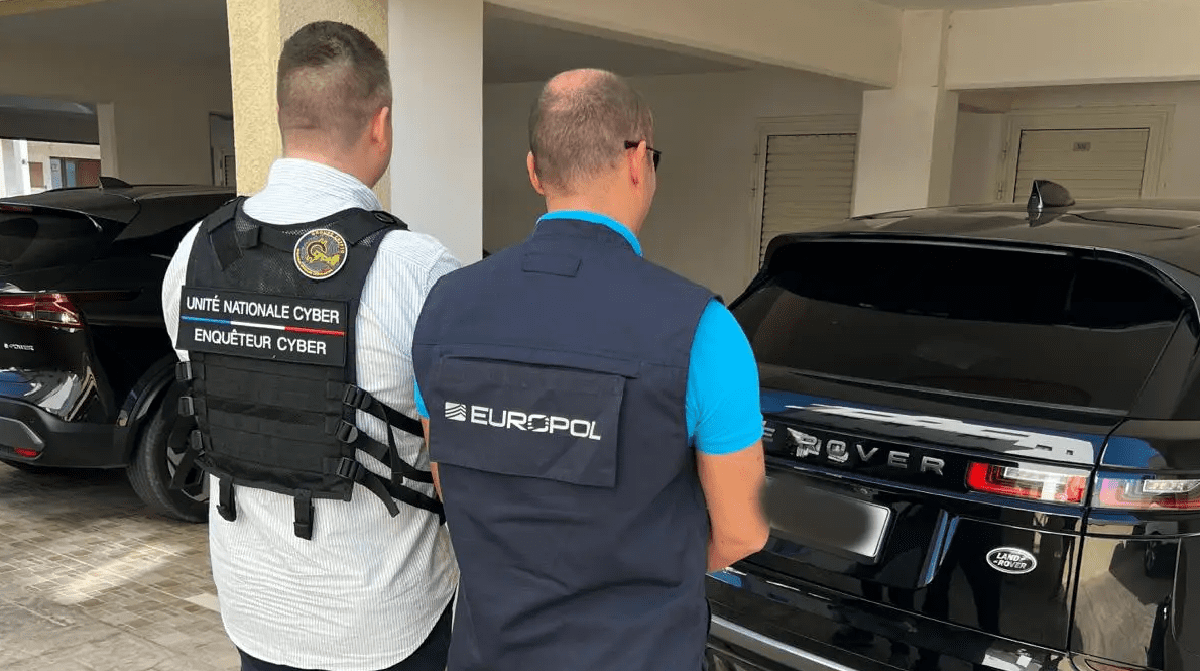
In October, Europol took the first major step with raids in, among others, Cyprus, Germany, and Spain. Nine suspects were arrested and a significant amount of value was seized, including bank assets, crypto, cash, and luxury goods. This action rendered an important part of the financial infrastructure unusable.
A month later, the second phase followed, targeting the marketing engine behind the operation. Police teams in Belgium, Bulgaria, Germany, and Israel took offline advertising and affiliate systems that led victims to the fake platforms. Deepfake-driven campaigns also came into view, which have appeared increasingly often in recent years as a lure for investment fraud.
Europol played a central role in connecting all involved countries, with analysts, crypto specialists, and logistical support on the action days. Although the network has been largely dismantled, the money flows will be further traced in the coming months to secure more assets and prepare prosecutions.