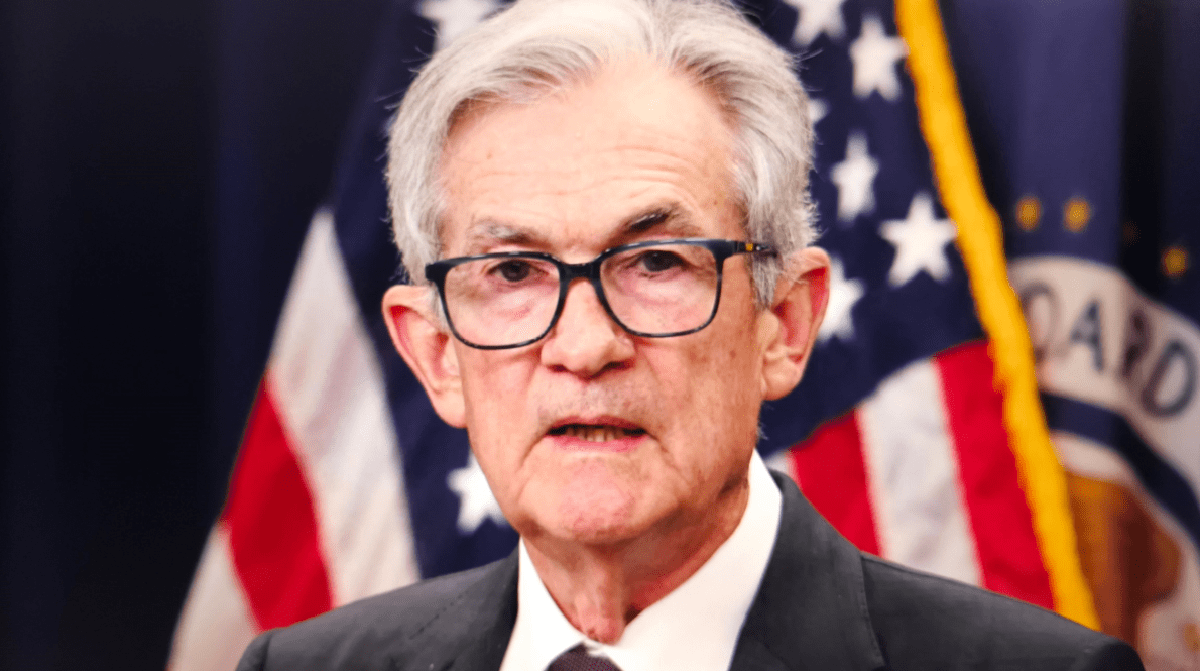
Stephen Miran, who has been with the U.S. central bank since September 2025, is warning not of a new wave of inflation, but of the risk that the Federal Reserve is fighting the wrong battle. According to Miran, the central bank is focusing too much on outdated inflation indicators, while the biggest risks have now shifted to economic cooling and job losses. If his perspective gains traction within the Fed, it could have enormous consequences for bitcoin.
Photo: FotoField/Shutterstock
Speech by Governor Miran on the inflation outlook @ColumbiaIGP: https://t.co/jnodBVx6xK
Watch live: https://t.co/MmMIGmKklO
Learn more about Governor Miran: https://t.co/e2PfCOyRwd
— Federal Reserve (@federalreserve) December 15, 2025
Housing Inflation Lags Behind #
In his address, Miran argues that current inflation figures are largely the aftermath of the 2021–2022 period. Prices are higher than before the pandemic, but are now stabilizing. He believes policy is mistakenly trying to fully reverse those earlier price increases, which is economically unrealistic.
A key point in Miran’s analysis is the housing market. Inflation in rents and housing costs, a major component of official inflation measures, structurally lags behind reality, he says. Market prices for rent have been falling for some time, while official figures only reflect this later.
Furthermore, population growth is declining due to lower migration, further dampening demand for housing. According to Miran, this points not to a new wave of inflation, but to a process of further cooling.
‘Phantom Inflation’ in the Statistics #
Miran also criticizes components of the inflation measurement itself. He calls certain parts of the PCE inflation, such as asset management fees, “statistical noise.” When stock prices rise, these revenues automatically increase, which he says says little about real price pressure in the economy.
According to Miran, this keeps the Fed’s policy unnecessarily tight, not because of real inflation, but due to distortions in the measurement methods.
Miran is also outspoken on import tariffs. Even if they temporarily lead to higher prices, he sees this as a one-off adjustment that central banks should look past. He points out that U.S. goods prices are behaving little differently from those in other countries, indicating there is no structural inflation shock.
Labor Market is the Biggest Risk #
Where Miran is concerned is the labor market. He believes employment can deteriorate quickly once the turning point is reached. Due to the lag with which monetary policy impacts the economy, he warns the Fed risks reacting too late if it continues to wait for “perfect” inflation figures.
His warning is clear: if the central bank holds onto a restrictive policy for too long, it could cause unnecessary damage to growth and jobs.
Impact on the Bitcoin Price #
This analysis is relevant for bitcoin. If the Federal Reserve eventually acknowledges that the risk is shifting from inflation to economic cooling, the likelihood of interest rate cuts and looser financial conditions increases.
Lower interest rates and more liquidity have historically been favorable for risk assets, including bitcoin. At the same time, growing uncertainty about the labor market and economic growth could increase demand for alternative stores of value. In that scenario, bitcoin would again benefit from its role as a non-sovereign, scarce digital asset.
In short: if Miran’s vision gains the upper hand in the policy debate, it could be a supportive factor for the bitcoin price in the medium term, although the path there will likely remain volatile.