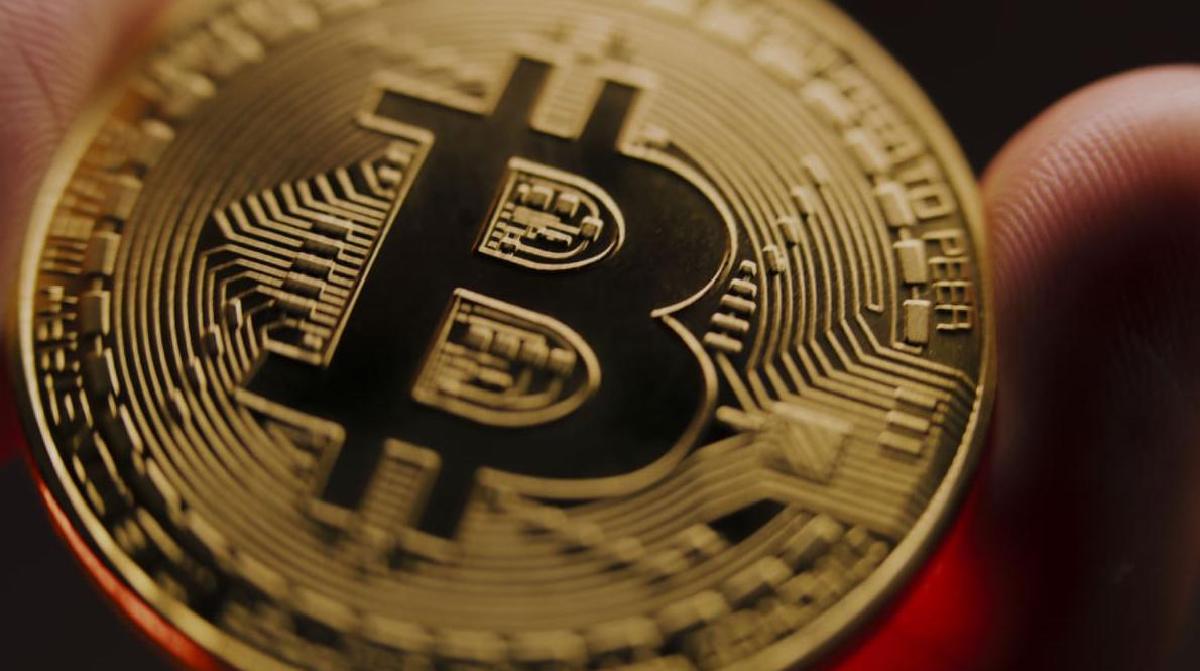
Bitcoin remains the largest cryptocurrency, having held its ground despite a surge of competitors in recent years. Its resilience has led a growing number of financial experts to view it as a significant asset class, potentially emerging as the next global digital reserve. However, one prominent expert sees several major hurdles on that path and questions whether the cryptocurrency can overcome them.
Bitcoin Will Not Become a Reserve Currency #
Ray Dalio, founder of the hedge fund Bridgewater Associates, was a guest on the American news channel CNBC on Thursday. There, the billionaire discussed Bitcoin as an investment, as well as the obstacles it could face on its path to becoming a reserve currency.
According to Dalio, several factors must be considered. For instance, the traceability and transparency of Bitcoin could become a problem if not properly maintained. Additionally, he pointed to vulnerabilities that could be exposed by “quantum computing,” such as when these supercomputers become capable of hacking wallets.
In short, Dalio does not see a major country adopting the digital currency as a national reserve currency anytime soon. Governments would only do so, he argued, if the system were not fully transparent to the public and was also adaptable—qualities that Bitcoin lacks.
Economic Bubble is Set to Burst #
The billionaire currently holds Bitcoin himself, with about 1% of his portfolio in the largest cryptocurrency. This is a notable figure, as Dalio advised investors last summer to allocate approximately 15% of their portfolios to the digital asset and gold. That was already a striking comment, considering he had previously recommended just 1 to 2% three years prior.
Dalio is currently very cautious. His own data collection and indicators suggest that the U.S. economy is in a growing bubble. According to his metrics, this bubble is already about 80% complete. He believes the impact of a burst could be comparable to that of the so-called “dotcom bubble.” Although the fund manager is positive about Bitcoin, he also has his doubts. It is therefore not surprising, especially in light of current economic developments, that he is cautious in his advice.