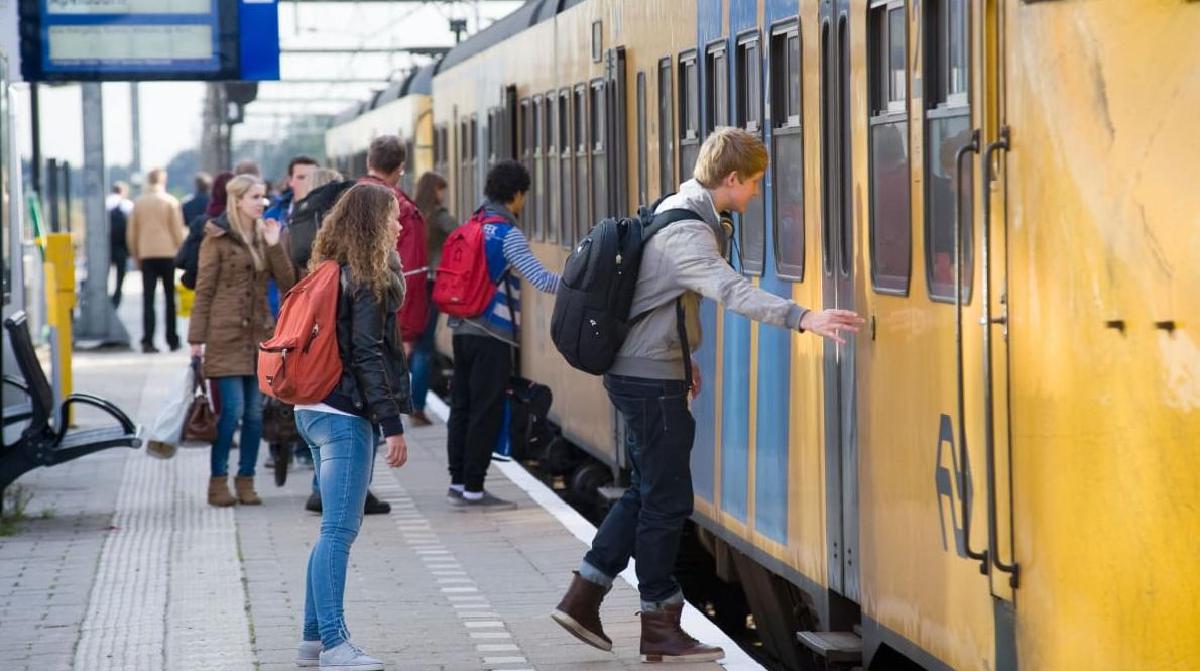
Most people will have noticed that train tickets are becoming significantly more expensive. In 2026, the price of a train ticket will rise by approximately 6.5 percent. And we have the government to thank for that.
European Study Reveals High Costs #
According to a 2024 study by the European Federation for Transport and Environment (T&E), a train ticket in the Netherlands costs about €0.17 per kilometer. Only travelers in Switzerland (SBB), Great Britain (GWR and Avanti West Coast), and those using Eurostar pay more.
The study also highlighted the primary reason for these high costs: NS has one of the most reliable timetables in Europe, and that reliability comes at a price. Paul van de Coevering, a lecturer in mobility at the University of Breda, explains that the Netherlands has one of the busiest rail networks in the world, with a train departing every ten minutes between major cities like Eindhoven and Amsterdam. He likens it to a national metro network.
An NS spokesperson adds that running trains so frequently from early morning to late at night is very expensive, especially since daytime occupancy is only about 30 percent, meaning these services often cost more to run than they generate in revenue.
Strict Government Requirements #
The government has stipulated this extensive timetable in its concession agreement with NS, meaning the operator is not allowed to run fewer services outside of peak hours. This requirement drives up costs.
However, traveler organization Rover argues that NS is exaggerating the situation. According to Rover, daytime trains are more profitable than they are costly, and losses only occur on less popular routes connecting small towns during quiet hours.
Political Choices #
In many other countries, rail companies receive significantly more government subsidies than in the Netherlands, allowing them to afford unprofitable routes. Rover states this is simply a political choice. Ticket sales in the Netherlands generate nearly €3 billion per year, while state subsidies amount to just €13 million.
Furthermore, NS must pay ProRail €450 million annually for the right to use the tracks. The Dutch state, as the sole shareholder of NS, also demands a 4 percent annual return on its investment—a rate that is exceptionally high by international standards. If the government were to provide more subsidies to NS, train tickets could become cheaper, but that would require reallocating funds from elsewhere.
Mobility Poverty #
According to a Rover spokesperson, train fares in the Netherlands have become so expensive that a growing number of people can no longer afford to travel by train to work or to visit friends and family. NS is powerless to change this, but the government is not. However, with the substantial fare increase planned for next year, the government currently shows no intention of changing course.