Photo: Jacqueline van Kerkhof (Shutterstock)
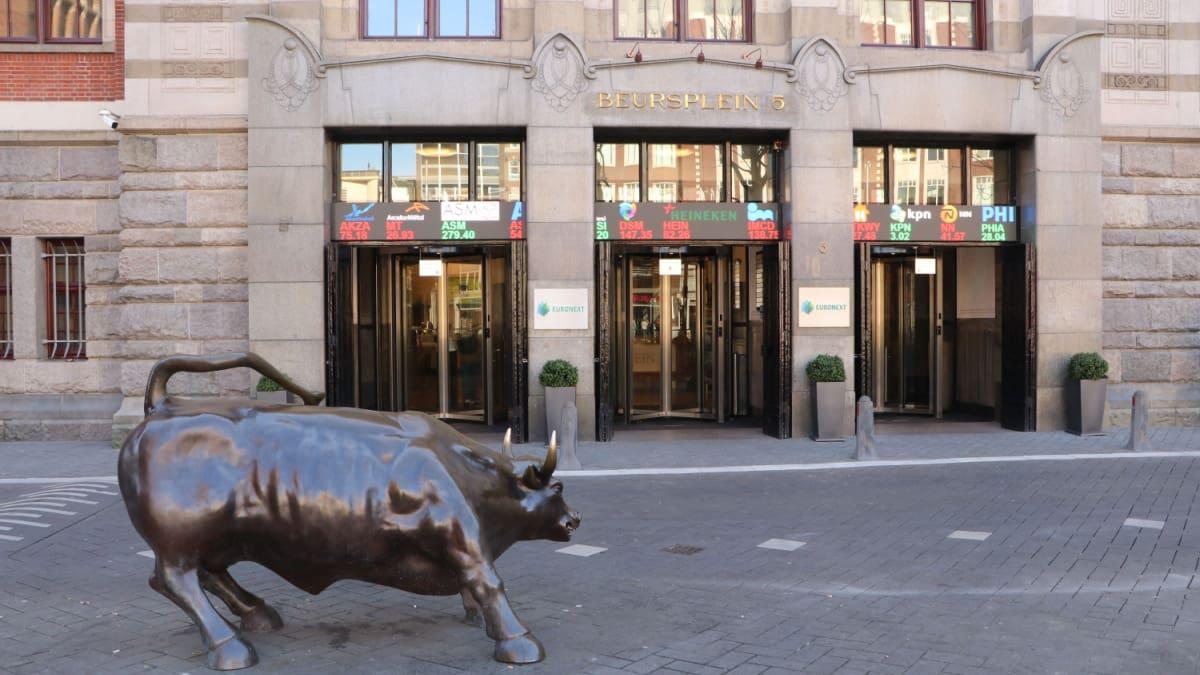
The Amsterdam exchange opened sharply in the red today. The AEX fell below 925 points and ASML took heavy hits with a drop of over five percent. The selling pressure isn’t just from Europe but is blowing directly over from Wall Street, where tech stocks fell sharply last night. At the same time, growing doubts about the high expectations around artificial intelligence are adding to the unrest.
Tech Sell-Off Drags Stocks Lower #
The AEX is an index that includes the 25 largest and most traded companies in the Netherlands. When large companies like ASML fall, they pull the entire index down immediately. Yesterday, sentiment in the United States suddenly turned completely around. The S&P 500 started strong but ended more than one and a half percent lower. The Nasdaq lost even more than two percent. Nvidia, which earlier in the day had impressed with impressive quarterly figures, turned from a five percent gain to a three percent loss. That unexpected turn caused panic among European investors. On top of that, new minutes from the U.S. Federal Reserve showed that a rate cut in December is not a given. Higher rates weigh on growth stocks like tech because future profits become less valuable.
Fear of AI Bubble Puts Pressure on Tech and Crypto #
In addition to rate anxiety, the growing fear of a possible AI bubble plays a major role. Companies are investing gigantic amounts in data centers and chips, but some analysts question whether revenues can keep up with that pace. That doubt makes investors cautious for now. The crypto market is now moving almost in sync with the tech sector. Bitcoin fell from a peak around $126,000 in August to below $85,000. Because many investors are active in both crypto and growth stocks, both markets reinforce each other’s declines. Due to ongoing uncertainty about rates, concerns about a possible AI overvaluation and weakness in the crypto market, the trading day is restless. As long as these factors persist, the AEX is expected to continue to show significant fluctuations. Although the demand for chips and AI remains large in the longer term, after months of price increases, investors are choosing more cautious positions.