Photo: fizkes / Shutterstock.com
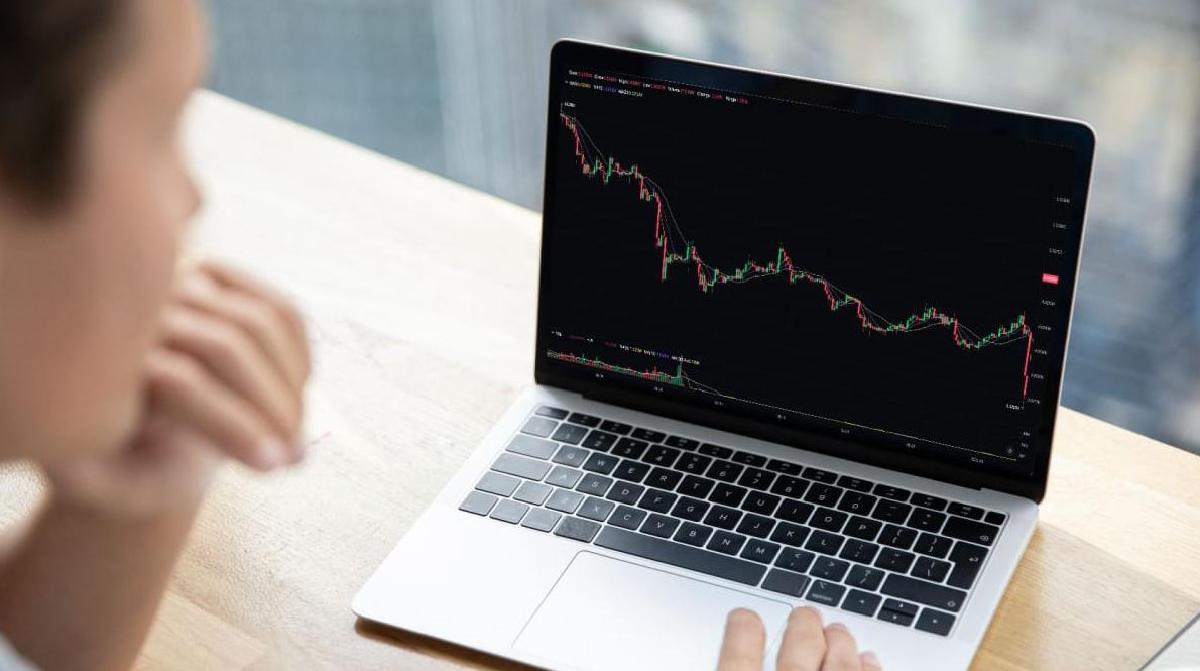
When the Bitcoin price takes a sharp dive, panic selling seems like the obvious move for many investors. Yet, a significant group of investors chooses not to sell during a crash. The reason behind this decision can’t be boiled down to a single answer; it’s a mix of strategy, conviction, and psychology.
Why Some Crypto Investors Hold On #
The crypto market appears simple on paper: buy low, sell high. In practice, however, timing the market is notoriously difficult. Prices move quickly, emotions run high, and poor decisions are easily made. That’s why some investors deliberately opt for a long-term approach, where selling during downturns isn’t part of the strategy. In the crypto world, this approach is known as HODL. The term originated from a typo in an old forum post and is often explained as “Hold On for Dear Life.” The concept is straightforward: Bitcoin is bought and held for the long term, regardless of interim fluctuations.
The Psychology Behind HODLing Bitcoin #
Investors following this strategy don’t try to constantly predict the market. They accept that short-term movements are hard to time and focus on the long term instead. This helps them avoid the stress of daily price swings and the risk of selling at the wrong time. For many HODLers, trust in Bitcoin also plays a significant role. They view Bitcoin not just as an investment but as an alternative financial system. The fixed maximum supply of 21 million Bitcoin is often cited as a key feature, especially when compared to fiat currencies, which can increase in supply.
HODL as a Cultural Phenomenon #
Over the years, HODL has evolved into more than just an investment strategy. Within the community, there are strong beliefs about Bitcoin’s role in the future of money and finance. Some investors, often referred to as Bitcoin maximalists, invest exclusively in Bitcoin and not in other cryptocurrencies. Critics sometimes label this as irrational, since HODLers also hold on during severe corrections or prolonged bear markets. Proponents, however, see volatility as a temporary phenomenon and consider time as the most critical factor.
Crypto Cycles and Buying Opportunities #
Although HODLers don’t actively sell, that doesn’t mean they buy without thought. Many long-term investors take market cycles into account, such as the period around the Bitcoin halving. Often, they buy more when the market has cooled down and prices are lower. By not selling, the available supply on the market decreases. In theory, this can contribute to higher prices if demand increases, though it remains dependent on many external factors like regulation, adoption, and macroeconomic conditions.
No Guarantee, but a Conscious Choice #
It’s important to emphasize that HODL is not a risk-free strategy. Prices can remain low for extended periods, and there are no guarantees of returns. For some investors, this approach aligns with their beliefs and risk profile, while for others, it doesn’t. What’s clear is that investors who don’t sell during a Bitcoin crash typically do so not out of ignorance, but from a deliberate long-term vision. Whether that vision will ultimately be rewarded only time will tell.