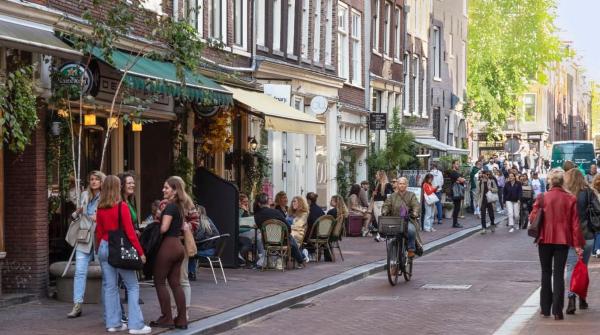
The Dutch government’s new tax plan may eliminate the ‘buffelboete’, giving lower-income workers up to €230 more per year, while higher incomes still see gains.
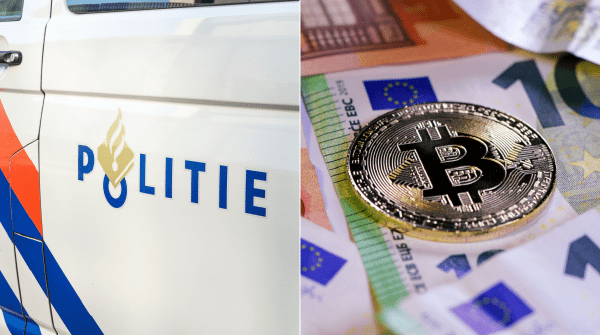
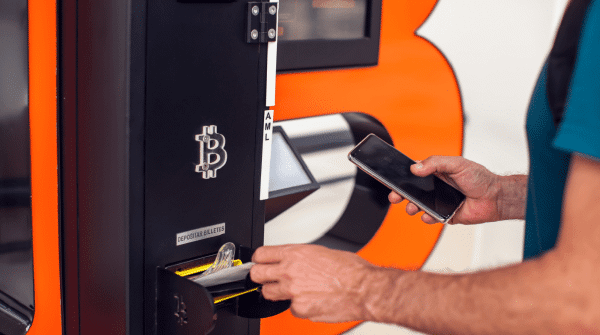
Dutch police are reaching out to approximately 300 victims of large-scale investment and job fraud schemes involving cryptocurrency payments, with losses reaching tens of thousands of euros per victim.
The Dutch government is expanding the rent subsidy (huurtoeslag) by abolishing the maximum rent limit and adjusting rules for young people. This will make an additional 170,000 renters eligible for financial support starting in the new year.
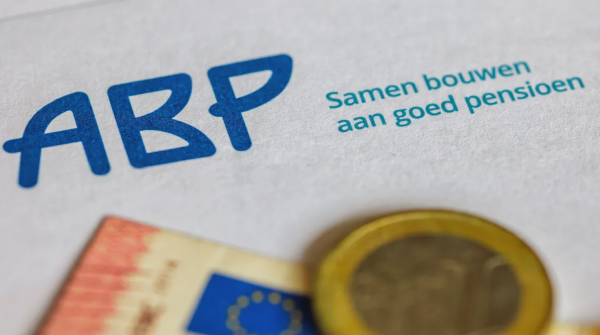
ABP, the Dutch civil servants’ pension fund, will increase pensions by 2.84% from January 1, benefiting 3.1 million members including government workers, police, military personnel, and teachers.
Crypto exchange Bybit is offering new Dutch users one million free memecoins to promote its new EU platform. The giveaway, running until January 2026, includes tokens like PEPE, SHIB, and CHILLGUY, with the latter potentially worth over €17,000.
Government fines for late payments in the Netherlands can triple, a practice experts and even the enforcement agency itself deem unfair. The system has become a crucial revenue source for the Ministry of Justice, leading to criticism over its disproportionate impact on those unable to pay.
Many Dutch people unknowingly miss out on significant tax benefits. With updated figures for 2026, individuals earning up to a certain salary could qualify for over €5,700 per year in healthcare and rent allowances.
Dutch welfare benefits are set to increase in 2026, tied to a rising minimum wage. However, the number of recipients continues to grow, with a notable rise among young adults.
The Dutch House of Representatives has approved an increase in fuel excise duties, raising gasoline prices by 5.5 cents per liter from January 1, 2026. The move, intended to fund public transport, will cost drivers anywhere from €14 to over €80 annually, depending on their mileage and vehicle efficiency.