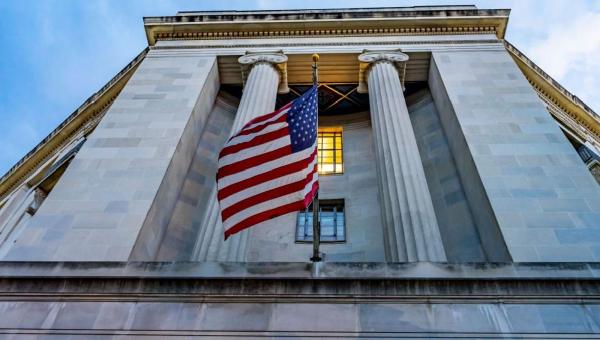
SEC officials discussed balancing financial oversight with privacy rights as blockchain adoption grows, highlighting tensions between regulation and self-custody.
Following the implementation of MiCA, EU policymakers are debating whether to centralize crypto supervision under ESMA. This move, supported by countries like France and Italy, aims to create consistent enforcement across member states, similar to the US SEC model.
Stablecoin issuer Tether has submitted a $1 billion cash offer to acquire Juventus football club, targeting the 65.4% majority stake owned by Exor. The bid has reportedly been rejected, highlighting Tether’s expansion beyond crypto and raising regulatory questions.
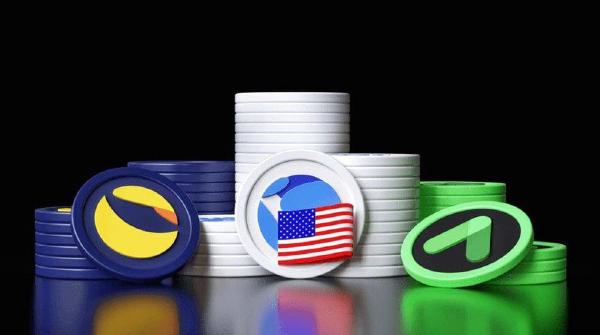
Terraform Labs co-founder Do Kwon has been sentenced to 15 years in prison by a New York court after pleading guilty. The sentence follows the catastrophic collapse of the Terra-Luna ecosystem, which wiped out billions of dollars from the crypto market and continues to influence regulatory approaches to stablecoins.
In 2025, the crypto landscape evolved significantly with clearer regulatory frameworks, a focus on stablecoins, and increased institutional adoption, making the industry more mature and safer.
US regulators have approved Gemini’s application to offer prediction markets, providing a significant boost for the crypto exchange. The move brings clarity to a tightly regulated sector and signals a potential opening for other platforms, with Gemini’s stock price reacting positively to the news.
A new report from the U.S. Office of the Comptroller of the Currency (OCC) reveals that major banks are increasingly denying services to crypto companies, a practice known as debanking. The review highlights concerns over fair access to financial services for the industry.
Gemini, the crypto exchange founded by the Winklevoss twins, has received approval from U.S. regulators to offer prediction markets, marking a significant step for the crypto sector.
The U.S. Office of the Comptroller of the Currency (OCC) has issued new guidelines allowing banks to facilitate crypto transactions under strict conditions, potentially boosting institutional adoption and market liquidity.