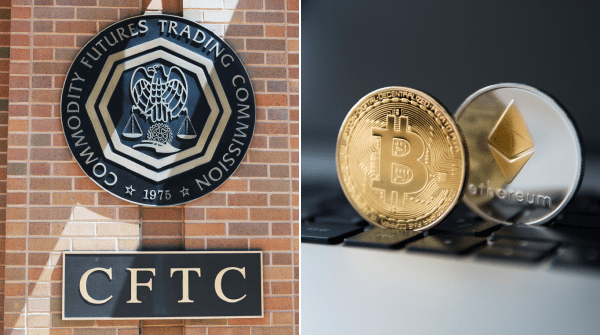
The CFTC has announced that spot bitcoin and ethereum products will be tradable on regulated futures exchanges, potentially opening the door to massive institutional investment and reduced volatility.
The U.S. Commodity Futures Trading Commission (CFTC) has launched a pilot program allowing Bitcoin, Ethereum, and USDC to be used as collateral for derivatives trading, a move expected to attract institutional capital back to the U.S.
This column draws a parallel between Bitcoin’s potential centralization and France’s defunct Minitel network, arguing that while Bitcoin’s architecture is open, its practical use depends on user vigilance against gatekeeping.
The European Commission has proposed a plan to centralize crypto oversight under a single ‘super-watchdog’, ESMA, aiming to reduce regulatory fragmentation and create a more unified market.
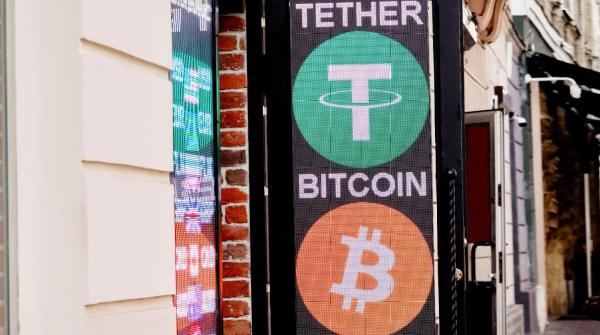
S&P and HSBC have issued new warnings about Tether (USDT), the world’s largest stablecoin. They cite concerns over the quality and liquidity of its reserves, raising the risk of a potential de-pegging event that could impact the entire crypto market.
Fed Vice Chair Michelle Bowman’s recent remarks signal a potential shift towards deregulation to boost credit flow. Analysts believe this preparation for a softer economy could increase liquidity, benefiting Bitcoin in the medium term, though short-term volatility is likely.
China’s central bank has reaffirmed its total ban on all cryptocurrency activities, announcing stricter enforcement measures. The news has contributed to a sharp drop in Bitcoin’s price, which fell towards $86,000 amid broader market uncertainty.
KuCoin has secured a MiCA license from Austrian regulators, allowing it to resume operations across 27 European countries, including the Netherlands, after ceasing services last year due to a lack of proper licensing.
A Spanish political party, Sumar, has proposed a plan to tax crypto profits as regular income, which could push the tax rate as high as 47%. The controversial plan has drawn criticism for potentially driving investors away, while also reflecting a global trend of governments implementing stricter crypto regulations.
Grayscale has filed to convert its Zcash Trust into an ETF, potentially creating the first fund dedicated to the privacy coin. However, regulatory approval remains uncertain given authorities’ general skepticism toward privacy-focused cryptocurrencies.